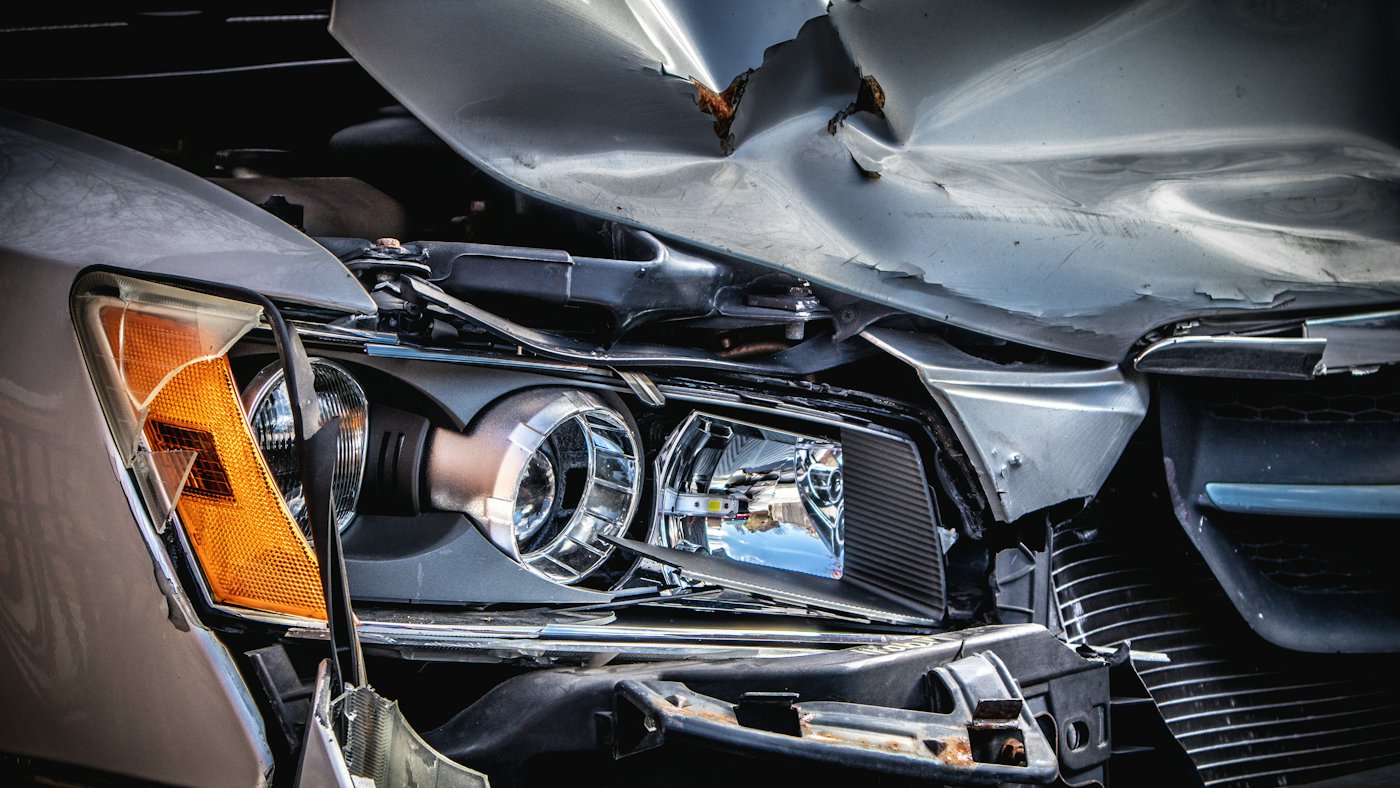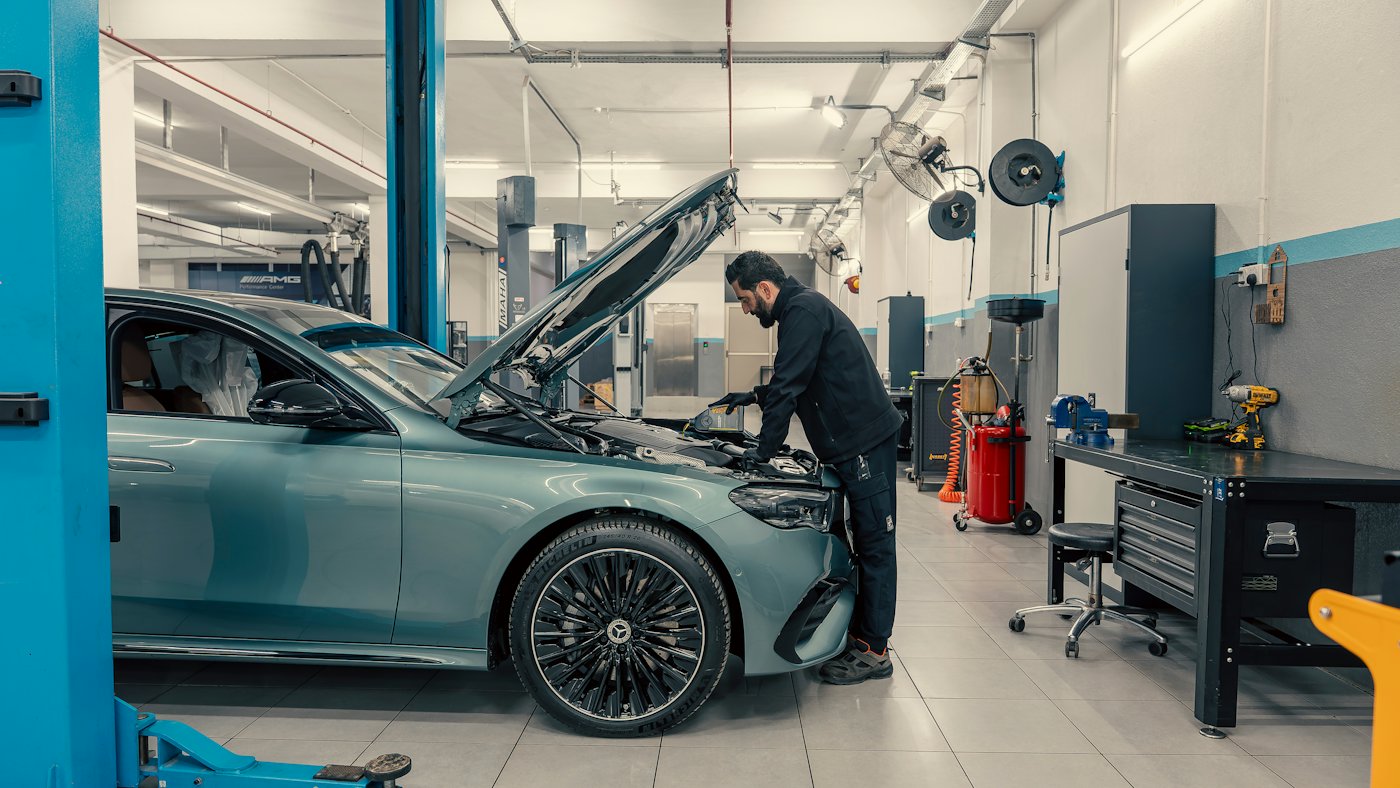
A safety recall is issued when a manufacturer or the National Highway Traffic Safety Administration (NHTSA) determines that a vehicle has a defect that creates a safety risk, or doesn't meet a federal safety standard. Recalls cover everything from faulty airbag inflators to fuel leaks and seat belts that fail to latch.
The fix is normally free. The problem is that many recalls never get fixed, especially once a car has changed hands and the manufacturer's notice goes to a previous owner.
Why used cars so often have open recalls
When a recall is announced, the manufacturer mails notices to registered owners. If the car has been sold, the letter may never reach the new owner. And there is no federal law that stops a used car dealer or private seller from selling a vehicle with an unrepaired recall. (Rental car companies are the exception: federal law bars them from renting out vehicles with open recalls.)
So the responsibility for checking falls on you, the buyer.
How to check recalls by VIN
- Find the VIN on the dashboard or driver's door jamb. See our guide to decoding a VIN if you need help.
- Run a recall search. NHTSA's free recall lookup shows unrepaired recalls for a specific VIN from major manufacturers over roughly the last 15 years. Every VinAccuracy report also includes the recalls issued for the vehicle's year, make and model.
- Check with the manufacturer. Automakers have their own VIN lookup tools, and a franchised dealer for that brand can confirm whether the repair was completed.
- Ask for proof. If a recall shows as fixed, ask the seller for the dealer's repair order.
What a recall repair costs
Recall repairs are done at no charge by a dealer authorized to service that brand, regardless of how many owners the car has had. Federal law generally doesn't require a free remedy for vehicles first sold more than 15 years before the recall, though many manufacturers cover them anyway.
Parts shortages can delay some repairs. If a fix isn't available yet, ask the dealer whether the car is safe to drive in the meantime; for some defects the manufacturer will advise owners not to drive the vehicle at all.
Recalls vs. complaints vs. service bulletins
These three are easy to mix up:
- Recalls are formal safety campaigns. The repair is free.
- Owner complaints are problems drivers have reported to NHTSA. They aren't confirmed defects, but a pattern of similar complaints about the same part is worth knowing about. A VinAccuracy report lists them for the car's year, make and model.
- Technical service bulletins (TSBs) are repair instructions manufacturers send to dealers for known issues. They aren't recalls, and repairs may or may not be covered by warranty.
What to do if the car you want has an open recall
An open recall isn't necessarily a reason to walk away. Most are straightforward repairs. But you should:
- Ask the seller to have the recall fixed before the sale, or get it booked yourself right after.
- Find out how long the repair takes and whether parts are available.
- Treat a car with several ignored recalls as a sign the previous owner may have skipped other maintenance too.
Checking for recalls takes a couple of minutes and costs nothing. Of all the checks you can do before buying a used car, it has one of the best payoffs for the time involved.