Buying a used car can save you thousands compared with buying new, as long as you don't inherit someone else's problems. This checklist walks through the steps that matter most, in the order you'll need them.
Before you shop
1. Set your total budget
Price is only the start. Add sales tax, title and registration fees, insurance and a cushion for early maintenance like tires or brakes. If you're financing, get pre-approved by a bank or credit union first so you know your rate and aren't relying on the seller's financing.
2. Narrow down models
Research reliability, running costs and insurance rates for the models you're considering. Look up the crash test ratings and the owner complaints filed for each model year, since some years of the same model have far more problems than others.
3. Check market prices
Compare asking prices for similar cars with similar mileage in your area. Knowing the going rate is your strongest negotiating tool.
When you find a car
4. Get the VIN and run a history check
Ask for the VIN before you travel to see the car. A seller who won't share it is a red flag. Run a VIN check to confirm the year, make, model and engine, and to review title brands, total-loss and salvage records, reported odometer readings and open recalls.
5. Match the VIN everywhere
When you see the car, check that the VIN on the dashboard, the driver's door jamb sticker and the title all match. Our guide to decoding a VIN explains what to look for.
6. Ask the right questions
- Why are you selling?
- How long have you owned it?
- Has it been in any accidents or had major repairs?
- Do you have the maintenance records?
- Is the title in your name, and is there a loan on the car?
Compare the answers with what the history report shows.
Inspecting and driving
7. Walk around in daylight
Look for uneven gaps between body panels, paint that doesn't quite match, overspray on trim and rubber seals, and rust. Check that all four tires are the same brand and wear evenly. Uneven wear can point to alignment or suspension problems.
8. Check the interior
Test every window, lock, light, the air conditioning and the heater. Look for water stains, a musty smell or new carpet in an older car, which can signal flood damage. Make sure wear on the seat, pedals and steering wheel matches the mileage.
9. Take a real test drive
Drive for at least 20 minutes on a mix of city streets and highway. Listen for knocks or grinding, feel for vibrations or pulling to one side, and test the brakes firmly. Start the car from cold if you can, since some problems only show up before the engine warms up.
10. Get a pre-purchase inspection
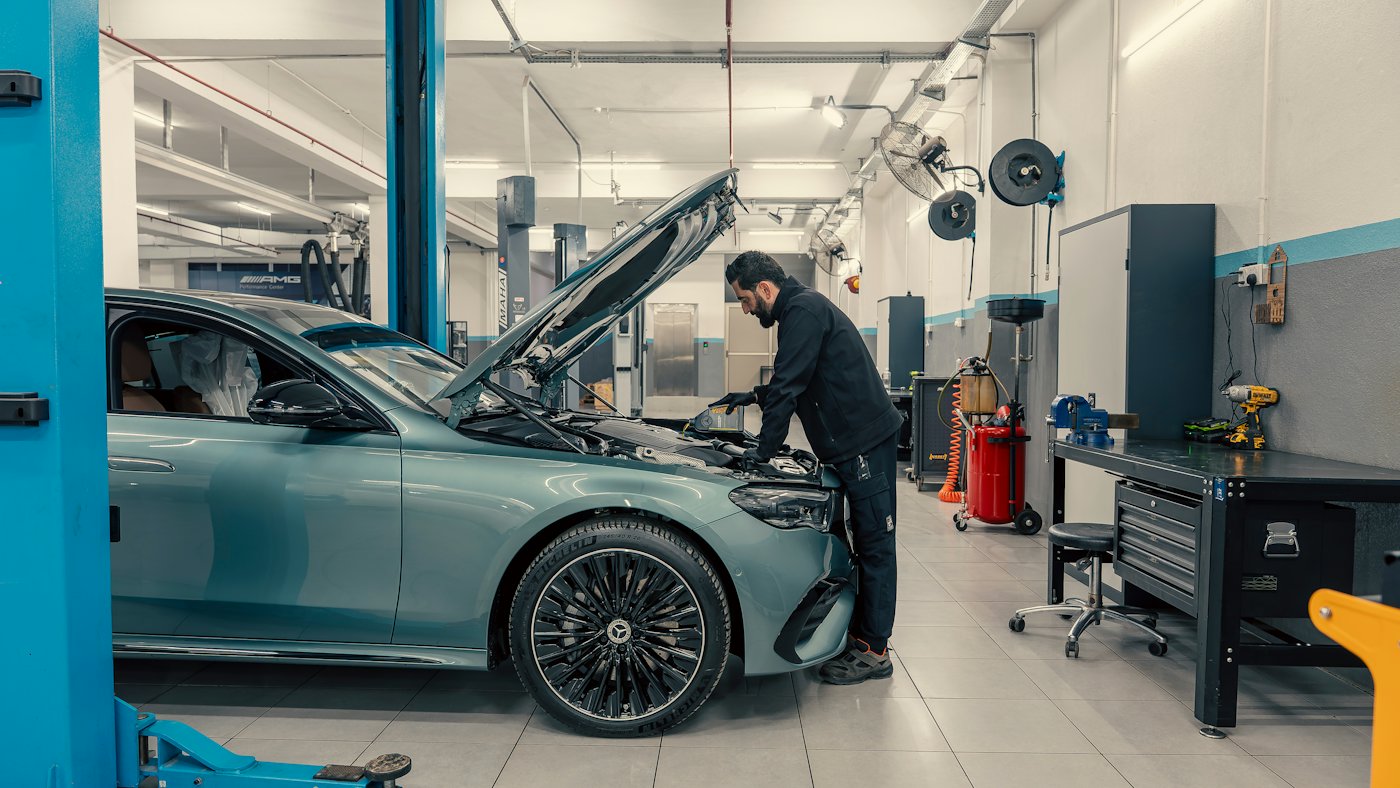
Have an independent mechanic you choose inspect the car before you commit. It typically costs far less than the repairs it can uncover, and a seller who refuses to allow one is telling you something.
Closing the deal
11. Check for open recalls and negotiate
Confirm any open recalls and ask for them to be fixed, or factor in the time to get them done. Our guide to checking recalls explains how. Use market prices, the history report and the inspection results to negotiate.
12. Get the paperwork right
- Make sure the seller's name matches the title and that any loan has been paid off and the lien released.
- Check that the mileage disclosure on the title matches the odometer.
- Get a signed bill of sale with the date, price, VIN and both parties' names.
- At a dealer, read the Buyers Guide sticker in the window. It tells you whether the car comes with a warranty or is sold "as is."
- Arrange insurance before you drive away.
Working through this list takes a little time, but every step reduces the chance of an expensive surprise. The best used car deal isn't the cheapest price. It's the car that turns out to be exactly what you were told.