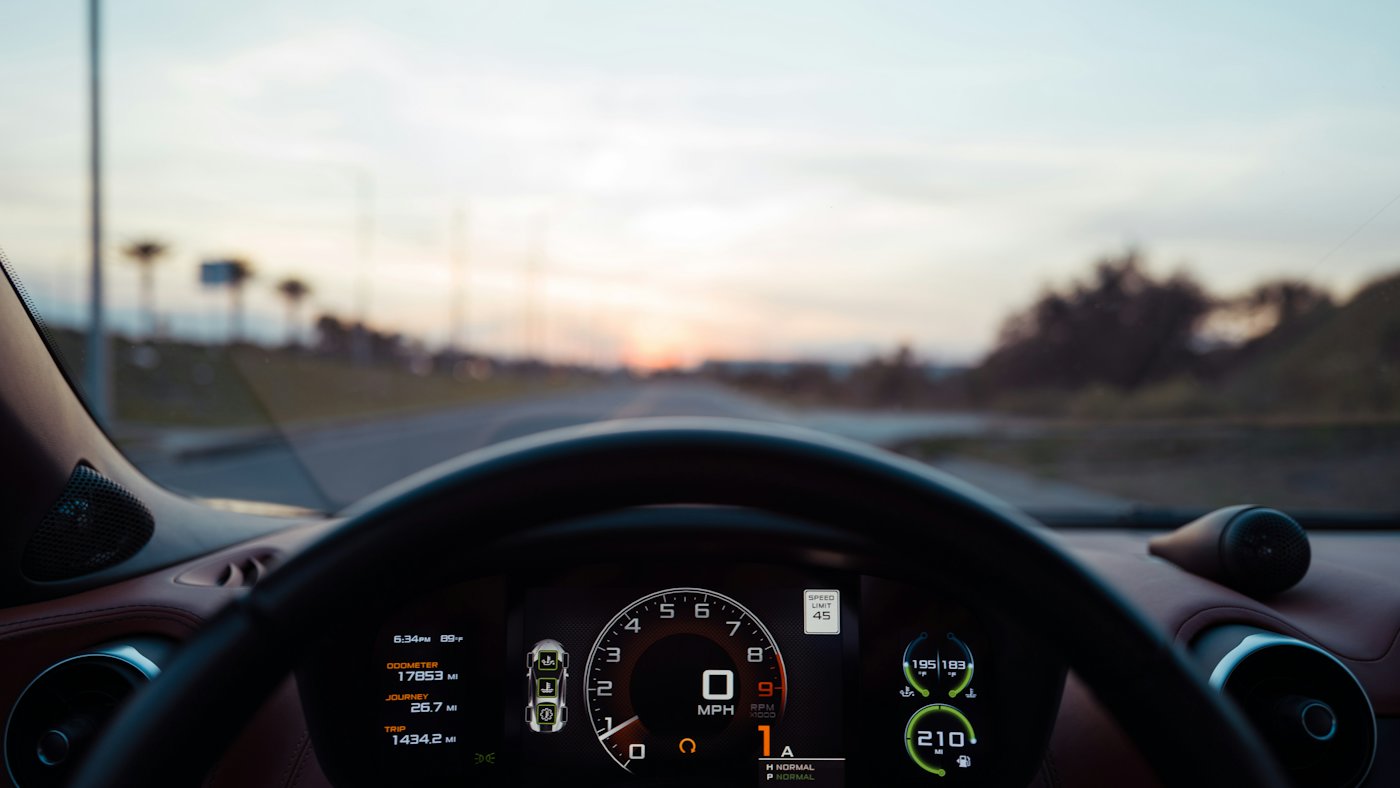
Mileage is one of the biggest factors in a used car's price, which makes it a tempting target for fraud. NHTSA estimates that more than 450,000 vehicles are sold each year with false odometer readings, costing buyers over a billion dollars annually.
Many people assume digital odometers ended the problem. They didn't. With the right tools, a digital reading can be changed in minutes, and unlike the old mechanical kind, it leaves no misaligned numbers behind. Here's how to protect yourself.
How mileage disclosure works
Federal law makes it illegal to disconnect, reset or alter an odometer to change the mileage it shows. When ownership changes, the seller must disclose the mileage in writing, usually on the title.
Under rules that took effect in 2021, this written disclosure is required for vehicles from the 2011 model year onward until they are 20 years old. Older vehicles had a shorter exemption window, so cars from before 2011 are generally exempt from the disclosure requirement.
Those recorded readings, along with readings logged at inspections and title transfers, are what make a mileage history possible.
8 warning signs of a rolled-back odometer
- Mileage that goes backwards. If a vehicle history report shows a lower reading than an earlier one, something is wrong.
- Mileage that's too low for the car's age. Americans drive roughly 12,000 to 15,000 miles a year on average. A ten-year-old car showing 30,000 miles isn't impossible, but it needs proof.
- Wear that doesn't match the number. Look at the brake and gas pedal rubber, the steering wheel, the driver's seat bolster and the carpet under the driver's feet. Heavy wear on a "low-mile" car is a red flag.
- Service records with higher mileage. Oil change stickers, receipts and dealer service records all note the odometer reading. Compare them.
- New pedals or steering wheel on an older car. Replacing worn parts can be a way to hide high mileage.
- Tires that have been replaced too often. Most tires last tens of thousands of miles. A car on its second or third set at "40,000 miles" doesn't add up.
- Missing or damaged title paperwork. A title that's been altered, is a duplicate, or where the mileage box is smudged or blank deserves questions.
- A title brand for mileage. "Not actual mileage" or "exceeds mechanical limits" brands mean the reading is officially known to be unreliable. See what title brands mean.
How to check a car's odometer history
- Run a VIN check. A VinAccuracy report shows reported odometer readings from title records and flags a possible rollback when a later reading is lower than an earlier one.
- Ask for maintenance records and match the dates and mileage against the history.
- Get a pre-purchase inspection. A mechanic can judge wear on the engine, suspension and interior, and may be able to read mileage stored in other modules.
- Compare the title to what the odometer shows today and to what the seller has told you.
What to do if you suspect fraud
If you think you've already bought a car with a rolled-back odometer, keep every document from the sale and contact your state attorney general's office or motor vehicle agency. Federal law allows victims of odometer fraud to sue for damages, and a consumer attorney can advise you on your options.
The simplest protection is to check before you buy. A few minutes spent comparing the odometer, the paperwork and the car's reported mileage history can save you thousands of dollars.